
Getting the Shaft at Fukushima
 The Worst Nuclear Disaster since Chernobyl
On March 11, 2011, the tsunami caused by the Tōhoku earthquake hit Fukushima. The tsunami caused various power and equipment failures at the Fukushima Nuclear Power Plant, leading to the meltdown of three reactors. The nuclear disaster at Fukushima was rated a seven on the INES scale, the worst possible rating, having only been reached once before at Chernobyl. Cleanup is expected to take 40 years and cost about 100 billion USD.
The Fukushima Daiichi plant needs to be disassembled. Damaged fuel rods are being moved into casks, which in turn are submerged into water in reinforced stainless steel and concrete shells. There are over 1500 fuel rods that need to be disposed of, weighing a total of over 400 tons. In the meantime, fuel rods need to be continuously cooled since it will take years for them to cease emitting radioactivity that’s hot enough to make the fuel rods burst into flames. There’s also a great deal of contaminated soil and debris that needs to be cleared out of nearby towns and villages.
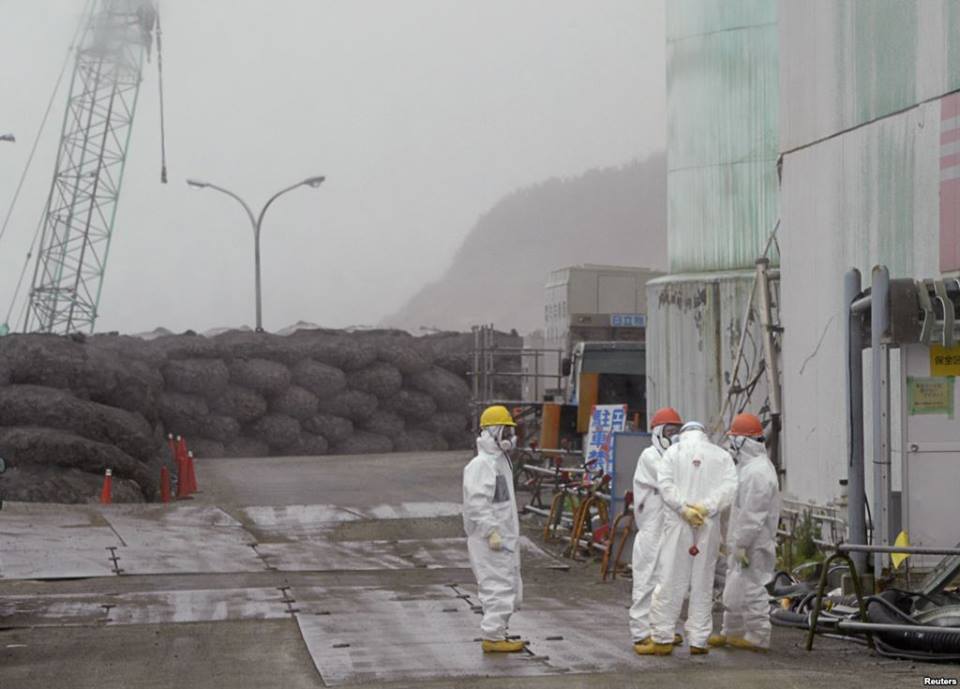
This cleanup effort has so far employed about 50,000 workers. This report focus on the treatment and safety of these workers during this process, since many of these workers are underpaid, poor, and mistreated.
Cleanup Worker Exploitation
When the Japanese government passed a bill to help fund the decontamination of Fukushima, it relaxed a number of construction labor regulations. Contracts were auctioned to inexperienced companies that used brokers to gather workers. Many of these workers have little to no experience with nuclear power. Most are poor and underpaid, many not receiving the hazard-allowances they’re legally entitled to.
About half of the cleanup workers at Fukushima are paid by one contractor and managed by another, which is against Japanese labor law. Because of this arrangement, many workers’ wages are skimmed.
Additionally, some labor brokers are reported to be former yakuza members, and the yakuza plays an active role in rounding up workers. Such workers are coerced into a sort of indentured servitude through their preexisting debts to the yakuza.
The yakuza is the collection of organized crime families in Japan. Some yakuza groups trace their lineage to samurai who became unemployed and turned to crime during the Tokugawa era as a long period of civil war gave way to peace. The yakuza gets much of its money from gambling, drugs, extortion, and human trafficking. They have also been helping out somewhat in the tsunami relief as a little PR campaign.
The journalist Tomohiko Suzuki worked undercover inside Fukushima for four months. He claims that many workers have no idea what they were getting into. This was confirmed by the worker Tetsuya Hayashi, who was hired and put to work inside an extreme radiation zone under false pretenses.
According to Suzuki, many workers are either homeless or recruited by the yakuza, and some even suffer from mental disabilities. He reports that certain TEPCO managers asked yakuza-affiliated subcontractors to recruit men who were “expendable”.
As an anonymous worker told RT News, “We were given no insurance for health risks, no radiation meters even. We were treated like nothing, like disposable people — promised things, and then kicked out when we received a large radiation dose.”