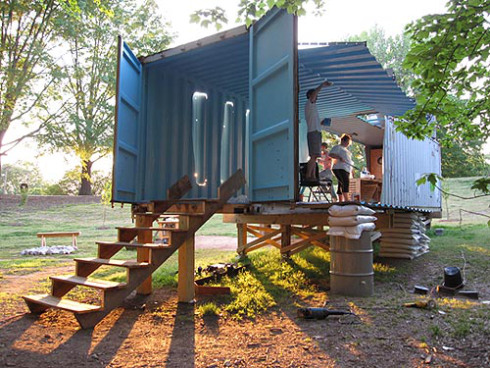
Shipping Container Architecture: Waste Not, Want Not
Natural disasters have led innovative communities to make use of shipping containers, too. In 2010, Christchurch, New Zealand was struck by a 7.1 magnitude earthquake followed by several aftershocks that continued through 2012. After the fist earthquake and aftershock, the city was in physical and financial ruins. Needing to find a way to rebuild the shopping district and maintain tourism, the city built a temporary “pop-up” mall out of shipping containers. As an added bonus, they made the mall earthquake proof. By using the shipping containers, they were able to rebuild the shops in a quick, efficient, and eco-friendly manner. The Re:START project, as it is called, took only eight weeks to assemble, is comprised of 60 containers, houses around 30 stores, and has a full food court. Thousands of patrons and tourists flock to shop and marvel at this state-of-the-art mall’s unique design and bright array of colors.

The Re:START community
People across the world are proving that something as simple as a shipping container can be used for much more than storing and shipping goods. Shipping containers could help rebuild Haiti, for instance. This could also prove true for areas affected not only by earthquakes, but also by tsunamis, hurricanes, fires, and war-ravaged regions. Reusing these metal boxes and turning them into livable structures is becoming a trend. For instance, France is now building their own student dorms modeled after those in Keetwonen. In Sydney, Australia, developers are building a 14-story apartment building out of the containers. Container architecture is no longer just a minor trend. It’s a smart and often necessary alternative.